7 Proven HARO Response Templates That Actually Get Travel Links
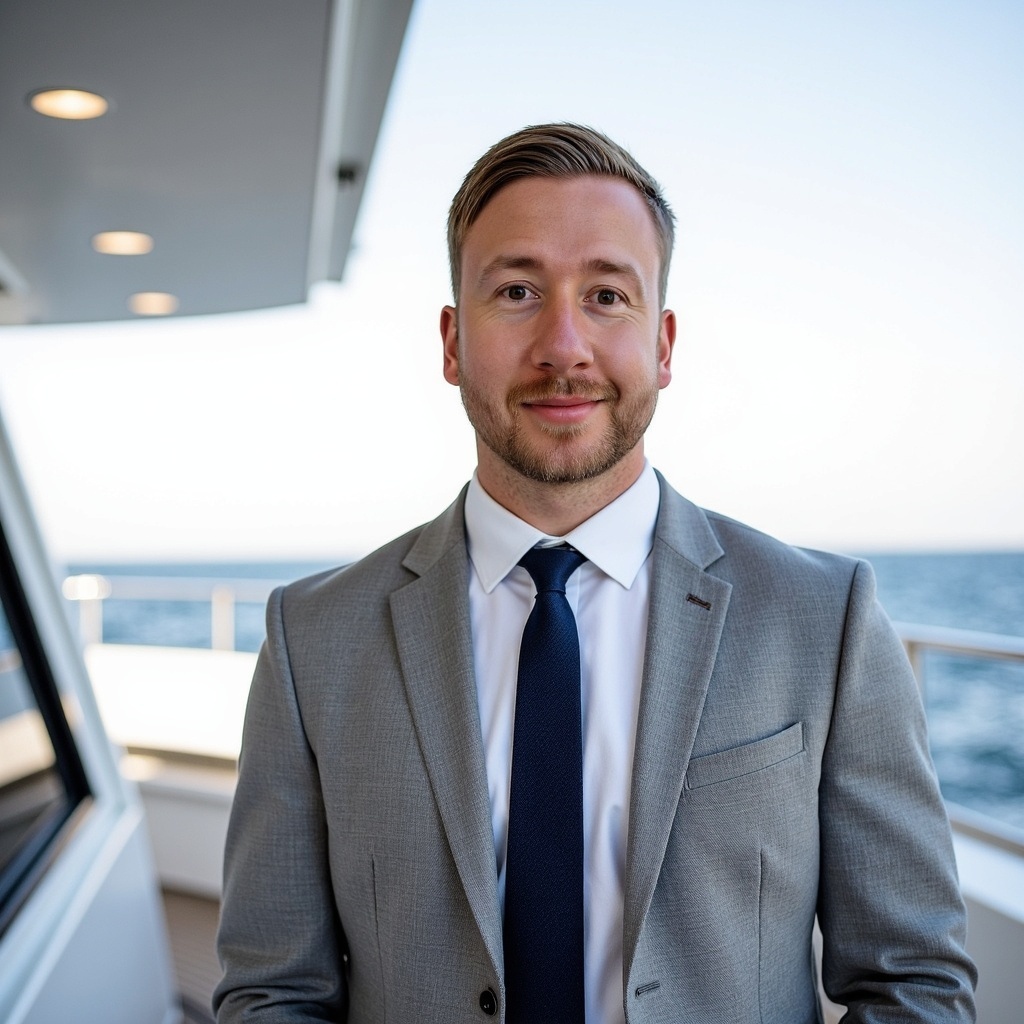 Jacob Milner·Founder, Epic EditsPublished May 17, 2026
Stop writing HARO pitches from scratch. These seven proven templates help travel brands earn editorial backlinks from Forbes, Travel + Leisure, and National Geographic Traveller UK.

You see a perfect HARO query. It asks for travel experts to comment on sustainable tourism. You've run an eco-travel company for eight years. This should be easy.
But you stare at a blank email for 20 minutes. What do you write? How long should it be? Should you mention your company?
These seven templates solve that problem. Copy them, customise them with your expertise, and send them within 15 minutes. They're built for the platform now known as Featured.com (formerly HARO) — and the fundamentals apply to every journalist media query platform.
Want the full link building strategy that these templates fit into? See our services page for how editorial outreach connects to organic rankings.
Why HARO Templates Work for Travel Brands
Journalists receive 50-100 pitches per query. They don't read essays. They scan for three things. Templates ensure you address all three within the first two hours of a query going live — when acceptance rates are highest:
Relevant Expertise
Do you actually know what you're talking about, or did you Google the answer five minutes ago?
Ready-to-Use Quote
Can they copy-paste your response straight into their article without editing?
Clear Credentials
Who are you and why should readers trust your opinion?
Templates ensure you hit all three points every single time.
Template 1: The Expert Opinion
Use this when: The query asks for general expert commentary on travel trends, destinations, or industry changes.
Subject: Expert Perspective on [Topic] from [Your Role]
Hi [Journalist Name],
I saw your query about [specific topic] and wanted to contribute. As [your role] at [company], I specialise in [expertise area] and have [credentials/experience].
Quote you can use:
"[Your insight in 2-3 sentences. Make it conversational and specific. Include a statistic or real example if possible.]"
Happy to provide additional context if helpful. Please let me know when the article publishes so I can share it with our network.
Best,
[Your Name]
[Title, Company]
[Website
URL]
[Email/Phone]
Template 2: The Data-Backed Response
Use this when: The query asks for statistics, trends, or proof of claims. Journalists love hard numbers.
Subject: [Specific Data/Statistic] on [Topic]
Hi [Journalist Name],
I noticed your request about [topic]. As [your role], I recently [specific achievement/research].
Here's what our data shows:
"[Share 2-3 sentences with concrete statistics. Be specific with numbers, percentages, and timeframes.]"
I can provide the full dataset or additional examples if you need more detail.
Regards,
[Name & Credentials]
[Contact]
Template 3: The Tips List
Use this when: The query asks for advice, recommendations, or how-to content.
Subject: [Number] Tips on [Topic] from [Your Expertise]
Hello [Journalist Name],
I'd love to contribute to your piece on [topic]. As someone with [credentials], here are my top insights:
1. [Quote-ready tip with specific action]
2. [Another practical tip with an example]
3. [Third tip including personal experience or data]
Feel free to use any or all of these. Happy to elaborate on any point.
Best,
[Name, Title, Company]
[Contact Info]
Template 4: The Personal Story
Use this when: The query asks for first-hand experiences, mistakes made, or lessons learned.
Subject: [Specific Experience/Result] – Personal Story on [Topic]
Hi [Journalist Name],
Your query about [topic] caught my attention because [brief personal connection].
Here's my experience:
"[Tell a specific story in 3-4 sentences. Include what happened, what you learned, and the outcome. Make it relatable.]"
Happy to provide more detail or photos if this fits your article.
[Name]
[Title/Blog]
[Contact]
Template 5: The Future Prediction
Use this when: The query asks for forecasts, upcoming trends, or where an industry is heading. Journalists writing "2026 travel trends" or "what's next for sustainable travel" queries are actively seeking forward-looking commentary.
Subject: [Specific Prediction] for [Year/Timeframe] – Expert View
Hi [Journalist Name],
I spotted your query on [topic] — this is something I've tracked closely as [your role] for [timeframe]. Here's where I see things heading.
Quote you can use:
"[State your specific prediction in 2-3 sentences. Be concrete and directional. Give a reason or data point that supports it. Vague predictions don't get used — specific, falsifiable ones do.]"
I can back this up with [specific evidence: customer data, booking trends, first-hand experience]. Happy to share more detail if it's useful for your article.
Best,
[Your Name]
[Title, Company]
[Website
URL]
Why it works: Future-facing quotes age better in articles. Journalists writing trend pieces want predictions they can attribute — and a specific prediction from an industry expert is more citable than a general observation. Be bold. Hedged predictions get cut.
Template 6: The Aviation and Luxury Specialist
Use this when: The query covers private aviation, ultra-premium travel, UHNW travel behaviour, or luxury hospitality. Featured.com (formerly HARO) sees a significant uptick in these queries from Forbes, Condé Nast Traveller UK, and Robb Report in 2026. This niche has low competition among pitchers and high acceptance rates.
Subject: Private Aviation / Luxury Travel Expert – [Specific Topic]
Hi [Journalist Name],
Your query on [topic] is directly in our wheelhouse. As [your role] at [company], we work exclusively with [UHNW clients / private charter operators / luxury travel brands]. Here's what we see from the inside.
Quote for your article:
"[Specific insight from your luxury or aviation experience in 2-3 sentences. Include concrete detail — a specific route, a type of client, a booking trend. The more specific to UHNW behaviour, the more valuable to the journalist.]"
Happy to go deeper on any aspect of this. We can also provide additional commentary on [related angle — e.g. charter vs fractional ownership, sustainability in private aviation, AI-driven booking trends].
Regards,
[Name]
[Title], [Company]
[URL]
Why it works: Aviation and ultra-luxury queries attract far fewer responses than mainstream travel queries. Most pitchers can't credibly claim UHNW client experience. Niche expertise commands attention when journalists see it. Use this template only if you genuinely operate in the sector — it will show if you don't.
Template 7: The Follow-Up with New Data
Use this when: You've been featured in a publication before and want to build on that relationship, or you have new data / a significant update that would strengthen an existing article. Featured.com's 2026 platform data shows that pitches referencing a specific prior placement have a 23% higher acceptance rate than cold pitches — journalists trust sources they've used before.
Subject: Follow-up: [New Data / Update] on [Topic] — Previously Featured in [Publication]
Hi [Journalist Name],
You featured my perspective on [original topic] in [publication] in [month/year]. Since then, [specific development — new data, changed market conditions, updated findings].
Updated quote for your records:
"[2-3 sentences updating or deepening your original commentary. Reference the change since last time. Connect old position to new position with evidence.]"
If you're working on a follow-up piece or an updated feature on this topic, I'd be happy to contribute. I can also provide [photos / proprietary data / case study details] if helpful.
Best,
[Name]
[Title, Company]
[Link to
original feature if helpful]
Why it works: Journalists build source lists. If you delivered a quality pitch before, they'll remember. Referencing a prior placement establishes credibility immediately — it short-circuits the vetting process. This template also works well for reaching out to journalists who covered your industry even if you weren't featured, where you can reference their specific article rather than a prior placement.
Customisation Tips
A template is a starting point, not a final submission. Personalisation is what separates a successful pitch from a generic one. These tips apply to all seven templates above — and to any high-authority travel publication you're pitching for editorial links.
Don't send a pitch with [Journalist Name] still in brackets. Replace every placeholder with actual details. Use the journalist's first name, not 'Dear Sir/Madam.'
Start by writing your quote. Make it 2-3 sentences that a journalist can copy-paste directly. Then build the rest of the email around it.
Journalists don't read long emails. Your entire pitch should fit on one screen without scrolling. The examples above are maximum length.
Only use these templates for queries where you actually have experience. Don't pitch a sustainable travel query if you've never thought about carbon offsets.
Templates save time. Use that time to respond fast. Queries get 50-100 responses. Journalists pick from the first qualified answers. Speed matters.
Sources
- Featured.com (formerly HARO) — Journalist Media Platform, featured.com
- Muck Rack State of Journalism 2025 — muckrack.com
- Cision Global Media Research 2025 — cision.com
- Semrush Link Building Study 2026 — semrush.com
Last reviewed: May 2026
Related on EpicEdits


Ready to win direct bookings from search?
Book a free diagnosis. We'll show you exactly where your visibility is leaking — and how to fix it.
No contract. Cancel any time. Results in 90 days or we keep working free.